

The movie Joker: Folie à Deux was released in October 2024, and many people expected it to be a huge success.
The first Joker movie from 2019 was one of the most popular and talked-about films of its time.
It earned over one billion dollars worldwide and made Joaquin Phoenix’s Joker unforgettable.
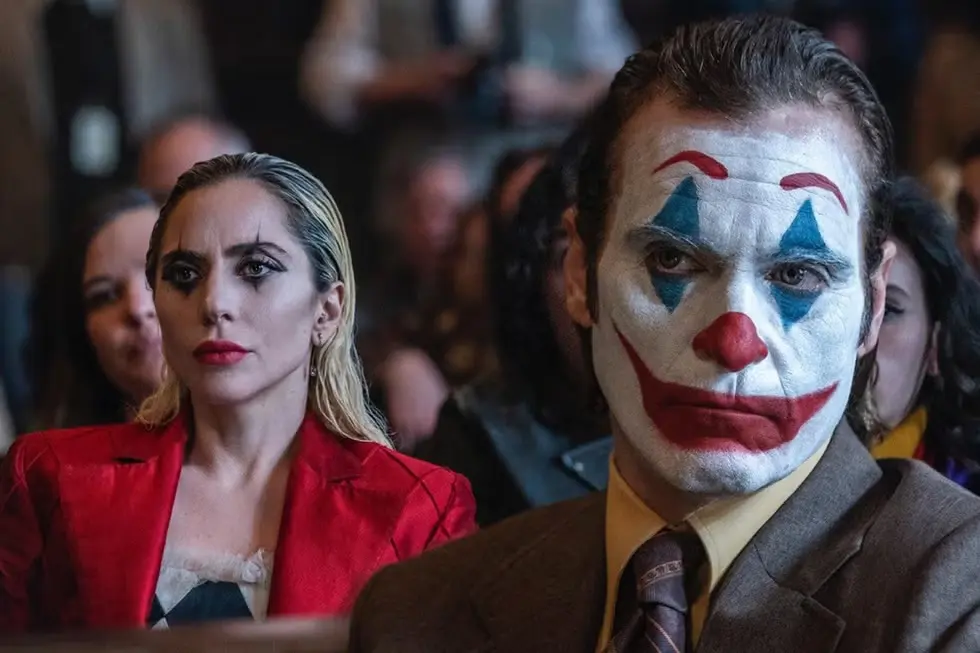
Because of this, fans, critics, and studios believed the sequel would do even better.
Instead, Joker: Folie à Deux became one of the biggest movie disappointments in recent years. The film failed at the box office, upset fans, confused viewers, and received very bad reviews.
This article explains what went wrong, why fans were angry, how the movie failed financially, and why the controversy became so big.
What Is Joker: Folie à Deux About?
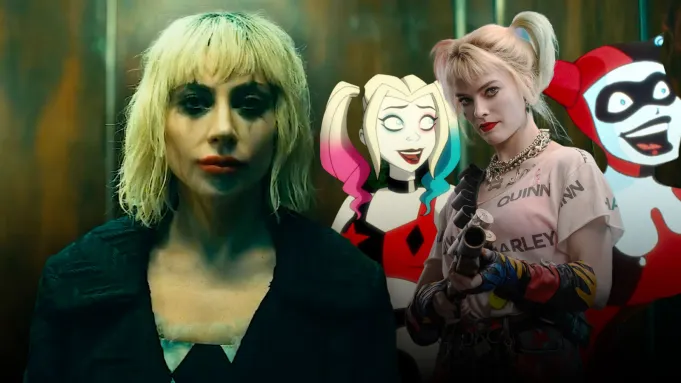
Joker: Folie à Deux is the sequel to the 2019 movie Joker. It continues the story of Arthur Fleck, a broken man struggling with mental illness and rejection. The sequel also introduces Harley Quinn, played by Lady Gaga.
Unlike the first movie, this sequel added musical scenes, where characters sing and dance during emotional moments. This creative choice shocked many viewers because the original movie was dark, serious, and realistic.
The film tried to show Arthur rejecting the Joker image that people forced onto him. But instead of feeling deep or meaningful, many viewers felt the story was confusing, slow, and punishing.
Box Office Failure: A Huge Financial Disaster
One of the biggest reasons Joker: Folie à Deux became controversial was its massive box office failure.
The movie had a production budget of $190–200 million, which is more than three times higher than the first Joker movie. Because of this, the film needed to earn at least $500 million just to break even.
Box Office Performance Breakdown
| Category | Amount |
|---|---|
| Budget | $190–200 million |
| Worldwide Gross | $208 million |
| Domestic Gross | $71 million |
| International Gross | $137 million |
| Rotten Tomatoes Score | 33% |
| Audience Score | 31% |
Despite opening with $121 million worldwide, the movie dropped sharply in its second week. Bad reviews and negative word-of-mouth scared people away from theaters.
Many experts called it Warner Bros.’ biggest flop, especially when compared to the original film’s success.
Opening Weekend Expectations vs Reality
Before release, predictions were extremely high. Some experts believed the movie could open with $225–280 million globally and possibly reach billion-dollar status.
Instead, reality was very different.
- Domestic opening: $37 million
- Expected domestic opening: $130–175 million
- Drop from expectations: around 70%
This huge gap shocked the industry and showed that audiences were not interested after hearing early reactions.
Why Did Fans Hate the Movie?
Fans of the original Joker movie felt betrayed by the sequel. Many believed the film was made to push them away instead of rewarding their support.
Several creative decisions caused anger and disappointment.
Musical Format Backlash
The biggest shock for fans was the musical format.
People expected a dark psychological thriller like the first movie. Instead, they got long singing scenes that stopped the story instead of moving it forward.
The musical numbers were described as:
- Forced
- Repetitive
- Slow
- Meaningless
Many viewers felt these scenes were added without purpose and ruined the serious tone. Critics also said the film wasted Lady Gaga’s talent, giving her songs that did not help her character grow.
Weak Story and Repetitive Writing
Another major complaint was the weak script.
Arthur Fleck’s story felt like a repeat of the first movie but without new ideas.
Instead of learning more about his mind or mental health, viewers saw him suffer again and again without growth.
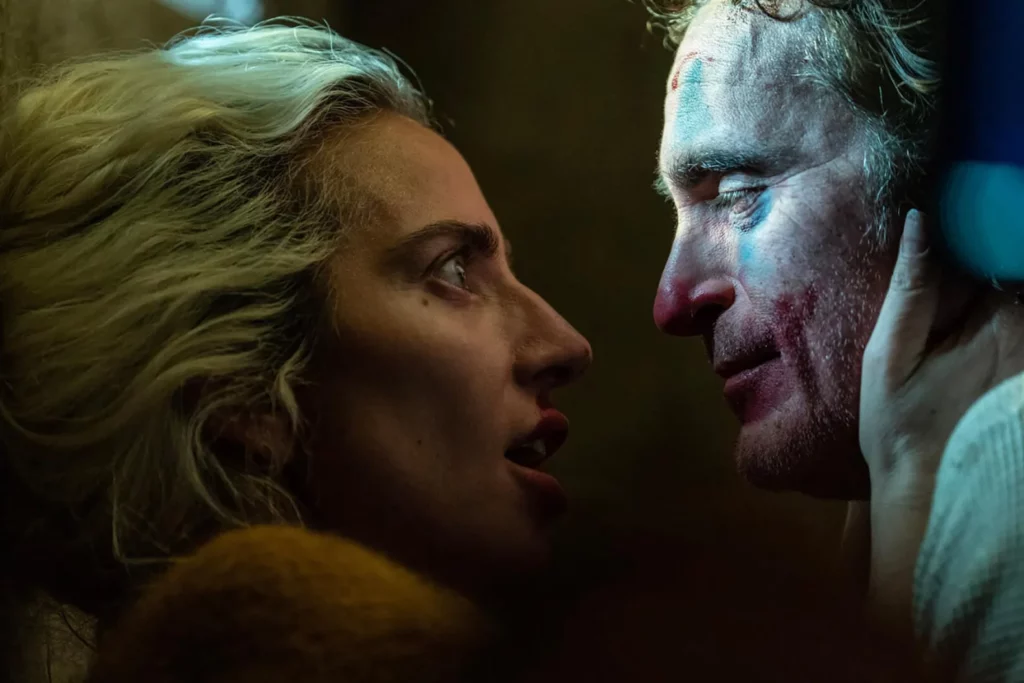
Harley Quinn’s character also disappointed fans. She felt manipulative but shallow, with no emotional depth. The relationship between Arthur and Harley lacked meaning and development.
Critics said the story felt empty, pretentious, and confusing, with no clear message.
The Ending That Made Fans Furious
The ending of Joker: Folie à Deux caused the strongest backlash.
What Happens in the Ending?
- Arthur rejects the Joker identity
- He starts singing
- Suddenly, he is stabbed to death by a random inmate
- The killer cuts a smile on his face
- The movie ends without explanation
Fans felt this moment was pointless, rushed, and disrespectful. Many believed it destroyed the legacy of the first movie and teased a “real Joker” that never appears.
On social media, fans called the ending:
- A betrayal
- Anti-climactic
- Meaningless
- A joke on loyal viewers
Arkham Asylum Assault Scene Controversy
Another very controversial moment was a graphic sexual assault scene in Arkham Asylum.
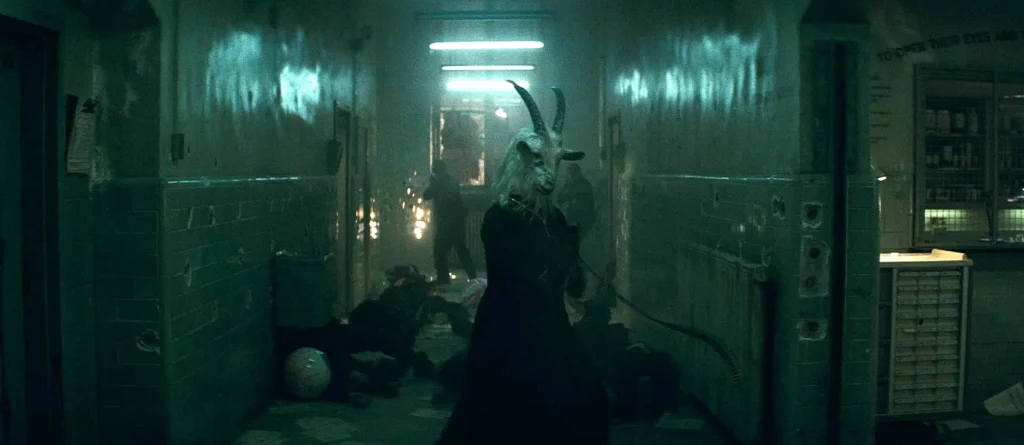
Arthur is attacked by inmates, and the scene shocked viewers. Many people felt it was exploitative, disturbing, and added only for shock value.
Critics said the scene had no clear purpose and made the movie harder to watch without adding depth to the story.
Ruined Iconic Staircase Scene
The staircase dance from the first Joker movie became iconic. Fans loved its power and emotion.
In the sequel, the staircase scene returns but in a mocking and empty way. Many fans said it ruined the original moment and felt disrespectful.
Instead of excitement, the scene caused frustration and disappointment.
Audience and Critic Reactions
Both critics and audiences reacted very negatively.
Review Scores
| Platform | Score |
|---|---|
| Rotten Tomatoes (Critics) | 33% |
| Rotten Tomatoes (Audience) | 31% |
Critics described the movie as:
- Boring
- Overly ambitious
- Pretentious
- Emotionally empty
Even strong performances could not save the weak story.
Social Media Backlash and Fan Theories
On social media, fans were brutal.
Many called the movie:
- A prank on fans
- Ragebait
- An insult to supporters
Some believed director Todd Phillips intentionally made the movie to push fans away. Others felt the sequel existed only because the studio wanted money, not because the story needed it.
Todd Phillips Responds to the Controversy
Director Todd Phillips addressed the backlash many times.
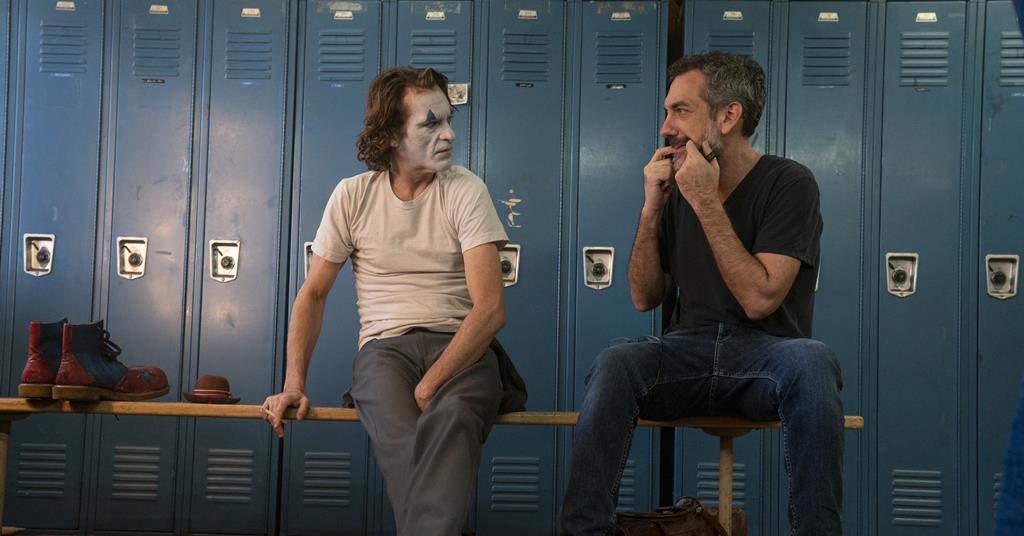
He strongly denied that the movie was meant to attack fans or “toxic fandom.”
His Main Points
- The movie is about trauma
- Arthur rejects the Joker label forced on him
- Violence should not be glamorized
- “Nobody cares about Arthur” is the message
He confirmed the ending was real, not a dream, and said the staircase scene breakup truly happened.
Critics Reject Todd Phillips’ Defense
Many critics were not convinced by his explanations.
Major media outlets accused him of turning fans into villains while denying it. Headlines described the movie as hostile toward its audience.
Some reviewers said his defense made the situation worse and showed creative arrogance.
Warner Bros. and Studio Problems
The movie also became a symbol of studio mismanagement.
Warner Bros. pushed the film forward after strikes and company mergers. Test screenings were skipped, and creative risks were not checked.
When the movie failed, it showed how poor planning and blind confidence can hurt big projects.
Comparison With the Original Joker Movie
| Aspect | Joker (2019) | Joker: Folie à Deux |
|---|---|---|
| Budget | $60 million | $190–200 million |
| Worldwide Gross | $1.079 billion | $208 million |
| Tone | Dark thriller | Musical drama |
| Fan Reaction | Mostly positive | Mostly negative |
The difference clearly shows why expectations were high and disappointment was deep.
Why Joker: Folie à Deux Failed So Badly
The failure happened because of multiple problems combined:
- Unexpected musical format
- Weak story and characters
- Disrespectful ending
- Poor handling of sensitive scenes
- Ignoring fan expectations
- High budget with low return
Together, these issues made the movie feel like a punishment instead of entertainment.
Final Thoughts
Joker: Folie à Deux will be remembered as one of the most controversial movie sequels ever made.
Instead of building on the success of the original, it confused audiences, upset fans, and failed financially. The movie tried to be bold and artistic but ended up feeling empty and disconnected.
While some may defend its message, most viewers agree on one thing: the sequel did not understand why people loved Joker in the first place.