

In a world full of clutter, advertisements, and endless “must-haves,” minimalist living offers a breath of fresh air. It’s more than just having fewer things — it’s about focusing on what truly matters, reducing stress, saving money, and creating a more meaningful life.
If you’ve ever felt overwhelmed by stuff, schedules, or digital distractions, this guide will help you start your minimalist journey with practical steps and examples.
What Is Minimalist Living?
Minimalism is the intentional choice to live with less — not just physically, but mentally and digitally as well.
Key ideas:
- Keep only what adds value or joy to your life
- Reduce unnecessary purchases
- Simplify routines and commitments
- Focus on experiences over material possessions
Minimalism is personal. There’s no strict rule about how much you should own; it’s about finding balance.
Benefits of Minimalist Living
- Less Stress and Anxiety
- Clutter can cause mental overload.
- Minimalism creates a calm, organized environment.
- Financial Freedom
- Fewer purchases = more savings.
- Focus on quality over quantity.
- More Time and Energy
- Less time spent cleaning, maintaining, or shopping.
- More time for hobbies, relationships, and self-care.
- Environmental Impact
- Buying less reduces waste and consumption.
- Supports sustainable living.
- Focus on What Matters
- Prioritize experiences, health, and personal growth over things.
Step 1: Declutter Your Space
Start with one area at a time:
- Closet: Donate clothes you haven’t worn in a year
- Kitchen: Remove gadgets you never use
- Living area: Keep only essential or meaningful items
- Digital: Unsubscribe from emails, delete apps you don’t need
Pro tip: Use the “Does this spark joy?” test from Marie Kondo. If not, consider letting it go.
Step 2: Simplify Your Wardrobe
A minimalist wardrobe saves time, space, and money.
Tips:
- Build a capsule wardrobe: 30–40 versatile items
- Choose neutral colors for easy mixing
- Focus on quality over quantity
- Donate or sell items you no longer wear
Example:
Instead of 20 T-shirts, keep 7 high-quality ones you actually wear.
Step 3: Reduce Your Purchases
Minimalism isn’t just about decluttering; it’s about mindful consumption.
- Ask yourself: “Do I really need this?”
- Wait 24–48 hours before non-essential purchases
- Prioritize durable and multi-purpose items
Tip: Avoid impulse buys by unsubscribing from promotional emails and notifications.
Step 4: Simplify Your Digital Life
Digital clutter can be overwhelming:
- Unsubscribe from unnecessary newsletters
- Delete unused apps
- Organize files and photos
- Limit social media time
Tip: Schedule “digital detox” hours to focus on offline life.
Step 5: Focus on Experiences Over Things
Minimalism encourages spending on experiences rather than objects:
- Travel or local adventures
- Workshops or classes
- Quality time with friends and family
- Hobbies that enrich your life
Experiences bring lasting memories rather than temporary satisfaction.
Step 6: Create Simple Routines
Routines simplify decision-making and reduce stress:
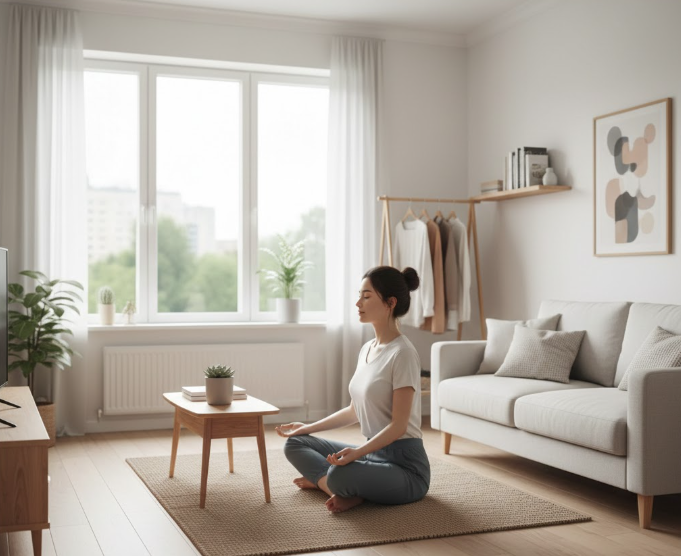
- Morning routine: meditation, breakfast, plan the day
- Evening routine: tidy space, reflect on the day
- Weekly routine: review finances, declutter small items
Tip: A consistent routine frees up mental space for creativity and focus.
Step 7: Mind Your Commitments
Minimalism is also about time and energy, not just things.
- Learn to say “no” to activities that don’t align with your goals
- Focus on relationships and tasks that truly matter
- Avoid over-scheduling and multitasking
Minimalist Living Checklist for Beginners
Home:
- Declutter one area per week
- Keep only essential or meaningful items
- Use multi-purpose furniture
Wardrobe:
- Build a capsule wardrobe
- Donate clothes not worn in a year
- Prioritize quality over quantity
Spending:
- Wait before non-essential purchases
- Track expenses
- Avoid impulse buying
Digital Life:
- Delete unused apps
- Organize files
- Schedule digital detox hours
Lifestyle:
- Focus on experiences, not things
- Simplify routines
- Prioritize meaningful commitments
Common Mistakes to Avoid
- Trying to do everything at once: Minimalism is a gradual process.
- Buying new minimalist items unnecessarily: Minimalism isn’t about replacing clutter with “aesthetic” items.
- Following trends blindly: Only adopt what aligns with your personal needs and values.
Final Thoughts
Minimalist living is a journey, not a destination. It’s about making intentional choices that simplify your life, reduce stress, and increase happiness.
Key takeaways:
- Declutter your space gradually
- Be mindful of what you buy
- Simplify routines and commitments
- Focus on experiences and meaningful relationships
Start small, take one step at a time, and enjoy the freedom that comes with living intentionally. Minimalism isn’t about having nothing — it’s about making room for what truly matters.