

Ever found yourself staring at your cat without saying a word? It’s common for cats to look at their owners without blinking. This makes us wonder what they’re thinking.
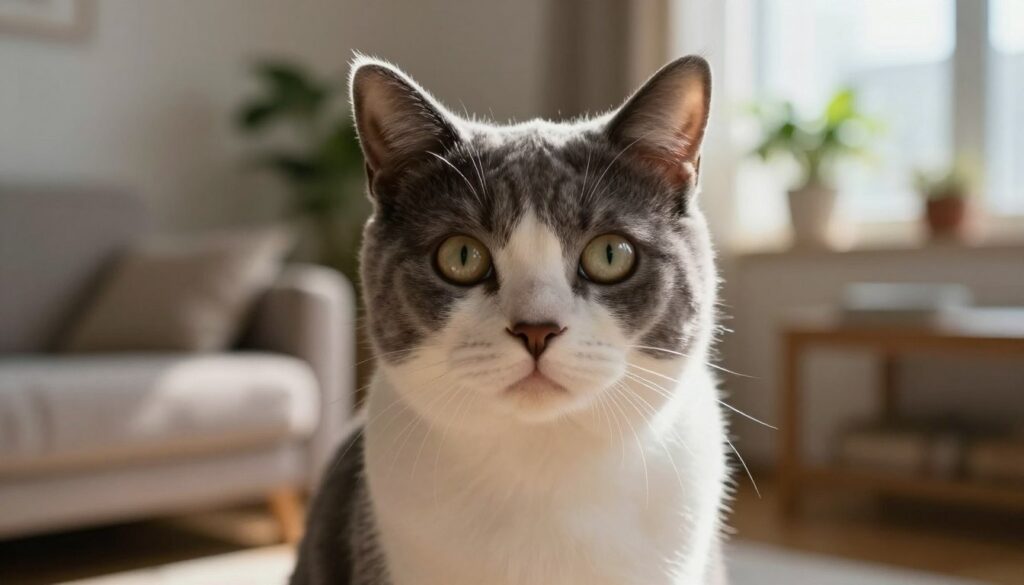
There are many reasons why your cat might stare at you. They might be showing love, curiosity, or even hunger. Knowing why they stare can make your bond stronger.
Learning about feline staring habits can tell you a lot about your cat’s feelings. It helps you understand them better and care for them more.
The Mystery Behind Your Cat’s Unblinking Gaze
Many cat owners find it both unnerving and fascinating when their cat stares at them without blinking. This behavior is common and taps into our curiosity about our pets’ thoughts and feelings.
The Common Experience of Cat Owners
Cat owners often say their cats stare at them intensely for a long time without blinking. This unsettling yet captivating behavior can be due to the cat’s hunting instinct or their love for the owner.
To understand this behavior, we need to look into feline communication and behavior. Cats stare to communicate, and figuring out what they mean can tell us a lot about their feelings and needs.
What This Behavior Might Mean
A cat’s unblinking stare can mean different things. It could show curiosity, a hunting instinct, or even love. Knowing how cats communicate helps us understand their stares better.
When a cat stares without blinking, it might be asking for attention or food. It could also show a strong bond between the cat and the owner. By watching the context and other body language, owners can figure out what their cat wants.
In conclusion, a cat’s unblinking gaze is a complex behavior with many meanings. By understanding cat behavior staring without blinking, owners can learn more about their cat’s feelings and needs. This can make their relationship and communication better.
Understanding Feline Eye Anatomy
Learning about cat eyes helps us understand why they stare. Cats have special eyes for hunting.
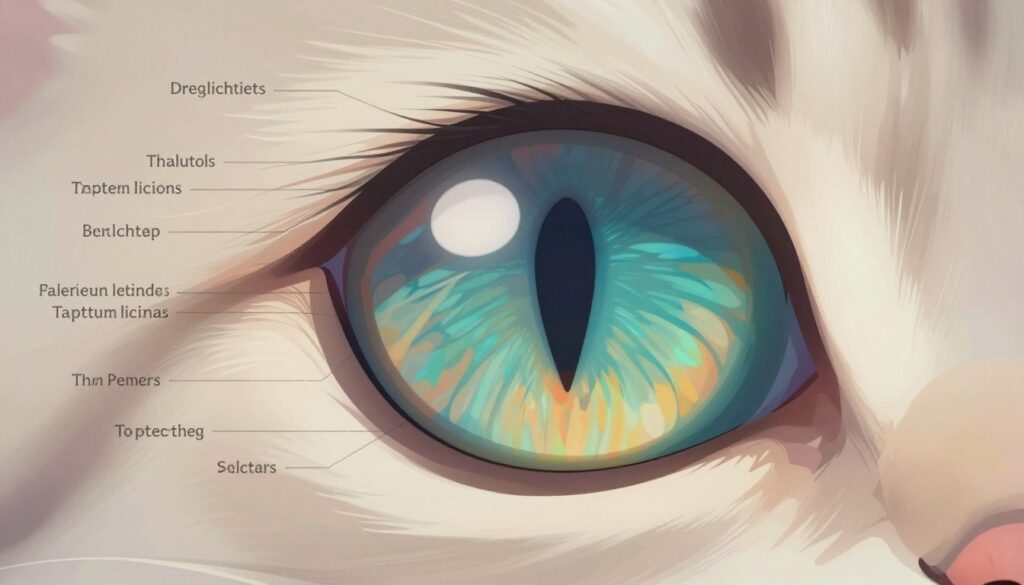
How Cat Eyes Differ from Human Eyes
Cat eyes are different from ours in many ways. They have a special third eyelid called the nictitating membrane. This keeps their eyes clean and safe.
They also have a layer called the tapetum lucidum at the back of their eyes. This helps them see better in the dark.
- Cats can see more around them because their eyes are on the sides of their head.
- They have more rods than cones, making them better at seeing movement in the dark.
The Function of Blinking in Cats
Blinking is not the same for cats as it is for humans. Humans blink to keep their eyes moist. Cats blink less and it means they are relaxed or happy.
Their special third eyelid also helps keep their eyes clean. This means they don’t need to blink as much.
Some important things about blinking in cats are:
- Cats blink when they feel calm or are getting ready to sleep.
- A slow blink can mean they trust or love you.
Knowing about cat eyes helps us understand their staring. We can then react in the right way.
Why Does My Cat Stare at Me Without Blinking?
Cats staring at us without blinking is really interesting. It can be both cool and a bit scary. Many cat owners wonder what it means.
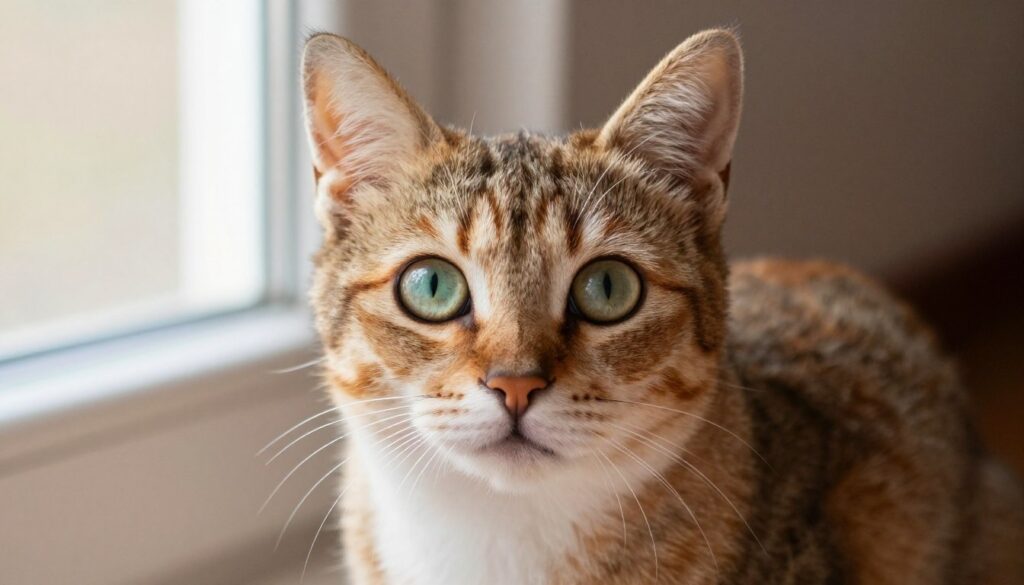
Biological Reasons for the Unblinking Stare
Cats stare for many reasons, mainly because of their hunting skills. Their eyes have a special layer that helps them see in the dark. This lets them hunt better, and they stare to use this skill.
Cats also have a special third eyelid. It keeps their eyes clean and safe. This helps their eyes stay healthy and might make them stare more.
Evolutionary Explanations
Staring is how cats talk and hunt. In the wild, a steady stare means they’re ready to attack. Our pets do this too, to show they’re in charge or to start playing.
Staring also shows how curious cats are. They watch and learn from what’s happening around them.
Differences Between Casual Gazing and Intense Staring
Staring can be different. Some stares are just when a cat is chill or watching things. But intense staring means they’re really focused, maybe even a bit tense.
It’s important to know why a cat is staring. By watching their body language and what’s happening, we can understand what they want.
The Language of Cat Eyes: Decoding Their Stares
Cats’ eyes tell us a lot about how they feel. They show us love, fear, and anger. Knowing what their eyes say helps us understand our cats better.
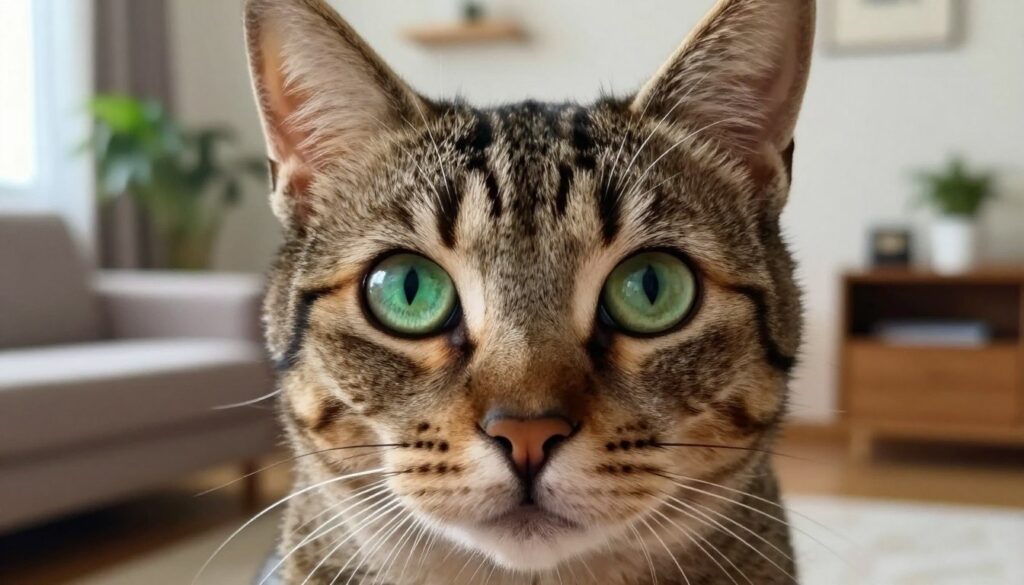
Different Types of Cat Stares
Cats stare in many ways, each with its own message. A calm cat stares softly. A worried cat stares hard.
A soft stare means a cat is happy or loving. But a hard stare might mean they’re scared or mad. Knowing this helps us know what our cats need.
What Their Pupils Tell You
The size of a cat’s pupils tells us a lot too. Big pupils mean they’re excited, scared, or angry. Small pupils mean they’re calm or happy.
For example, big pupils during play show excitement. Small pupils when petted mean they’re relaxed. Paying attention to these changes helps us understand our cats.
Body Language That Accompanies Different Stares
Stares are often with certain body language. For example, a hard stare might have ears back or a twitchy tail. This shows they’re upset or scared.
Looking at both the stare and body language helps us get what our cats mean. This way, we can connect better with them and meet their needs.
Hunger and Anticipation: Food-Related Staring
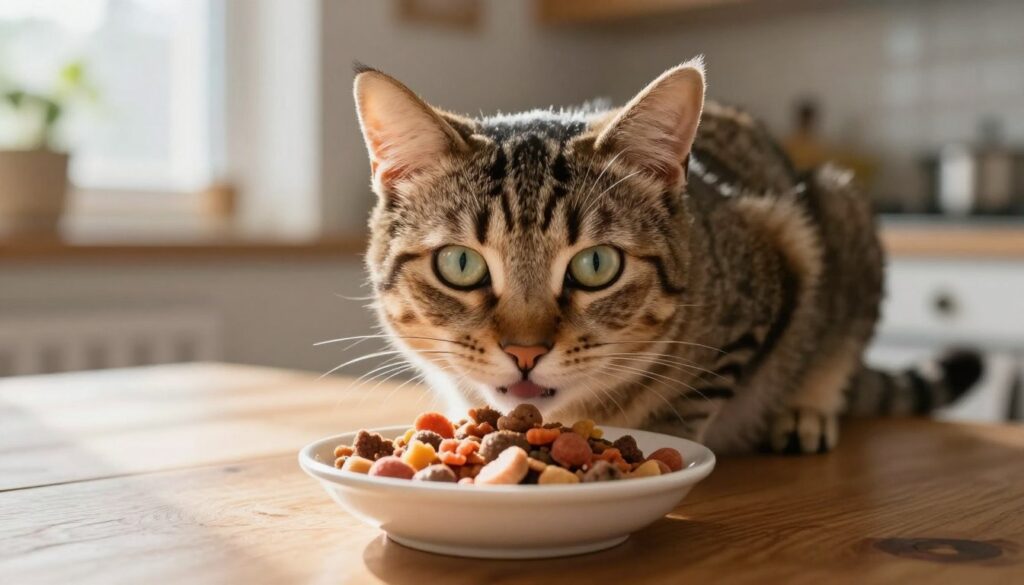
Cats stare at their owners without blinking often because of food. They think certain actions or times mean it’s mealtime. This shows their hunger and excitement for food.
Mealtime Staring Behaviors
Cats stare at their owners during meals. This stare is strong and means they want to eat. Mealtime staring behaviors happen because they learn it from us.
They might also meow or pace in the kitchen. This shows they’re really looking forward to food.
How to Distinguish Food Stares from Other Types
It’s important to know when a cat is staring for food. If they stare while you’re cooking or eating, it’s about food. Signs like meowing or pawing at the kitchen also mean they’re hungry.
Managing Food-Seeking Behavior
To stop cats from seeking food, have a regular mealtime. Don’t feed them when they stare hard. This takes away the reward.
Feed them at the same times every day. Ignore their stares to stop them. Also, give them things to do and keep a daily routine.
Territorial Behavior and Dominance
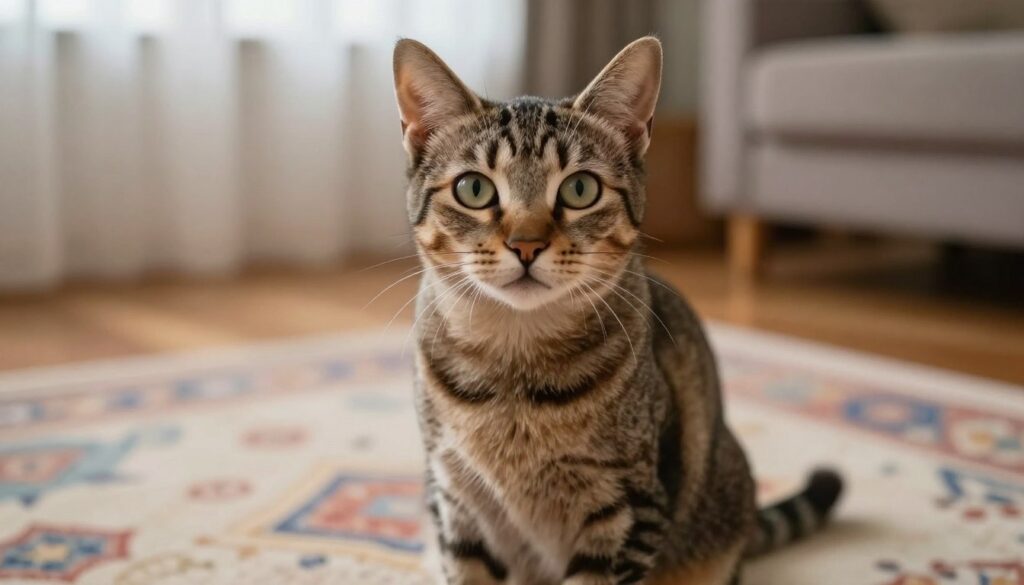
Cats stare to show who’s boss in the house. They stare to say they own the place or to boss other pets around. This comes from their wild days, when they stared to show who was in charge or to get ready to hunt.
Staring as a Form of Asserting Control
When a cat stares without blinking, it’s showing who’s boss. This happens a lot in homes with more than one cat. They stare to figure out who’s in charge. Knowing cat staring meaning helps owners keep their cats happy.
Figuring out why a cat stares means looking at the situation. If a cat stares at another pet or person without blinking, it’s trying to be the boss.
When Staring Becomes Concerning
Staring is normal, but it’s a problem if it doesn’t stop or if it’s mean. If a cat stares and also hisses or growls, it’s scared or defending its space. Then, deciphering cat behavior staring means watching for these mean signs.
How to Address Dominance-Related Staring
To stop staring because of being bossy, cats need to feel safe and have their own space. Give them their own food, water, litter boxes, and places to climb. This helps them not fight over things. Knowing cat body language no blinking helps spot problems early.
By knowing when a cat is being bossy and acting, owners can make a peaceful home.
Curiosity and Mental Stimulation
Feline staring shows their curiosity and interest in what’s around them. Cats love to explore and learn by watching and touching things.
How Cats Process New Information
Cats learn new things mainly by seeing and feeling things. They stare to get more info about their world. This includes people, animals, and objects.
- Watching how things move and react
- Looking at patterns and textures
- Linking sights and sounds to what happens next
Staring as a Sign of Engagement
When a cat stares, it means they’re really into what’s going on. This is key for their brain health. It depends on their surroundings and how they interact with people.
Providing Proper Mental Stimulation for Your Cat
To keep your cat’s mind sharp, offer lots of fun activities and places to explore. Good ideas include:
- Changing toys often to keep things exciting
- Setting up places for them to climb and see things
- Playing games that make them feel like they’re hunting
By meeting your cat’s need for mental fun, you help them stay curious and joyful.
Affection and Bonding: When Staring Means Love
When your cat stares at you without blinking, you might wonder what they’re trying to say. Cats stare to connect with their owners. It shows they care and trust you.
The Slow Blink: A Cat’s Kiss
The slow blink is a big sign of love from a cat. It’s like a “cat’s kiss.” It means your cat feels safe and happy with you. Try blinking slowly back to them. It helps you both feel closer.
Other Signs of Affection That Accompany Staring
Cats show love in many ways when they stare. They might:
- Rub against legs or hands
- Purr or make soft sounds
- Knead with their paws
- Nuzzle or head-butt gently
These actions, along with staring, show a strong bond between you and your cat.
| Signs of Affection | Description |
| Slow Blinking | A sign of trust and comfort, often referred to as a “cat’s kiss.” |
| Rubbing | Cats rub against their owners to mark them with their scent, signifying ownership and affection. |
| Purring | A soothing sound that cats make when they’re feeling relaxed and content. |
Building a Stronger Bond Through Eye Communication
Eye contact with your cat can make your bond stronger. By matching their stares and blinking slowly, you connect deeper. But remember, some cats might not like too much eye contact.
Understanding and responding to your cat’s stares and love signs can make your relationship more loving and trusting.
Medical Reasons Behind Excessive Staring
When cats stare a lot without blinking, we wonder why. Staring is normal for cats, but too much might mean they’re sick. They need to see a vet.
Cognitive Changes in Aging Cats
Old cats can get confused and stare a lot. This is like when people get old and forget things. It’s called cognitive dysfunction syndrome in cats.
Vision Problems That May Cause Staring
Cats use their eyes to see the world. If they can’t see well, they stare a lot. This is because they’re trying to make sense of things.
| Vision Problem | Description | Possible Effect on Staring Behavior |
| Retinal Degeneration | Progressive loss of retinal cells leading to blindness | Increased staring due to difficulty seeing |
| Cataracts | Clouding of the lens affecting vision | Staring as the cat tries to see through the cloudiness |
| Glaucoma | Increased pressure in the eye potentially causing pain and vision loss | Staring due to discomfort or vision disturbances |
Neurological Issues That Affect Feline Behavior
Some brain problems can make cats stare a lot. Things like seizures or brain tumors can cause this. These problems need a vet right away.
When to Consult a Veterinarian
If your cat stares too much, see a vet. They can find out if your cat is sick. Watch for other signs like not eating or acting tired.
How to Respond to Your Cat’s Staring
When your cat stares at you without blinking, you might wonder how to react. It’s important to understand why they’re staring. This helps you bond better and live together peacefully.
Appropriate Reactions Based on Context
How you react depends on why your cat is staring. If they’re hungry, giving them food is a good idea. If they’re just showing love or wanting attention, play or petting is better.
- If your cat stares hard, it might mean they’re feeling aggressive or protective. It’s best to give them some space then.
- If they stare and blink slowly, it’s a sign of love. You can blink slowly back to show you care too.
- If they stare out of curiosity, play with toys or interactive games. This will keep their mind busy and happy.
Building Trust Through Eye Contact
Eye contact is key to trust with your cat. When they stare, gentle, soft looks back can connect you. But remember, some cats might not like too much staring.
Try slow blinking at your cat, called a “cat’s kiss.” It makes them feel safe and shows you’re friendly.
When to Engage and When to Give Space
Knowing when to play with your cat and when to leave them alone is important. If they stare hard or seem tense, they need space. But if they stare softly, it’s a good time to play and bond.
By watching their body language and understanding why they stare, you can respond in the best way. This improves your relationship and meets their needs.
Comparing Cat Staring to Other Animals
Cats stare in a special way because of their history. This is different from dogs. Both are pets, but they stare in different ways.
How Cat Staring Differs from Dog Behavior
Cats and dogs stare for different reasons. Dogs stare to talk to their pack. Cats stare to hunt or mark their territory.
Dogs stare to get attention from their owners. Cats stare to watch or get ready to hunt.
Dogs were bred for jobs that need them to look at people. Cats stayed wild and stare to watch their world.
Predator vs. Prey Eye Contact Behaviors
Cats stare like they do in the wild. They focus on their prey. This is different from prey animals, which don’t stare to avoid being caught.
Knowing this helps cat owners understand their pets. They see a cat’s stare as a sign of interest, not anger. This makes their bond stronger.
Common Misconceptions About Cat Staring Behavior
Cats staring has led to many myths. Some think it means they are angry or even have special powers. But, the real reasons are more complex.
Debunking Myths About Aggressive Staring
Many think a cat’s stare means they are about to attack. But, staring is not always a sign of hostility. Cats stare to talk to us or to start playing.
If your cat stares and meows, they might be hungry or want attention. But, if they stare with a twitchy tail or flat ears, they might be upset or scared.
Understanding the Difference Between Staring and Fixating
Staring and fixating are different in cats. Staring is a way to say hello or ask for play. Fixating means they are really focused, like when they see prey.
For example, a cat might stare at you to say hello. But, if they fixate on a toy or bird outside, it’s because they want to hunt.
Cultural Superstitions About Cat Stares
Cats have been seen in many superstitions. In some places, their stare keeps evil away. In others, it’s seen as bad luck.
Knowing these stories helps us understand cat staring in different ways. But, it’s important to know the real reasons behind their stares. These reasons are usually about their natural behavior and how they communicate.
Conclusion
Knowing why your cat stares at you without blinking can tell you a lot. It shows their needs and feelings, making your bond stronger. We looked at many reasons for this, like their biology and how they show love.
By noticing the different stares and body language, you get to know your cat better. It helps you understand if they’re hungry, curious, or just showing love. This is important for a happy life together.
Watching and talking to your cat more will help you understand them better. You’ll know how to meet their needs, making your friendship deeper. So, next time your cat stares at you without blinking, you’ll know what it means and how to answer their love.